75.5 F
California, US
Tuesday, July 28, 2026
Home Blog Page 96

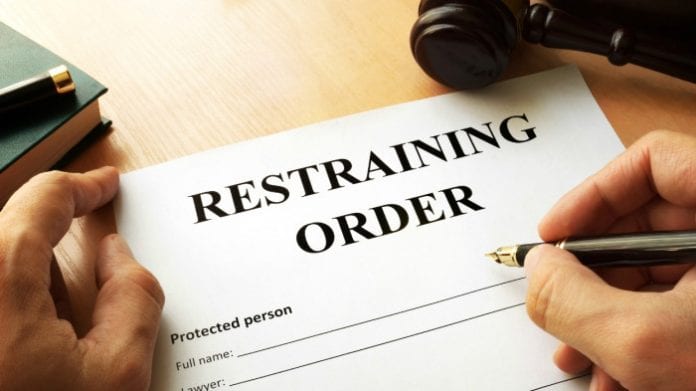
Filing a Restraining Order in Las Vegas

Restraining orders, called orders of protection in Nevada, are meant to protect persons against violence or the threat of violence.

Las Vegas’ Just court authorizes protective orders against stalking and harassment in Clark County. The District Court Family Division issues protective orders against domestic violence. The stalking and harassment must be a repetitive action happening more than one time.

The Clerk of Courts at Clark County Courthouse at 500 S Grand Central Pkwy can provide the appropriate forms which includes an affidavit, defendant worksheet and victim worksheet.

The most recent threat, or violent incident, must be completed using descriptive language and specific words.

Applying for a Restraining Order or Order of Protection

A person can apply for a protective order against:

  • Stalking and harassment,
  • Harassment in the workplace,
  • Protection from sexual assault, or
  • Protection against harm to children (minors)

The applicant for a protective order must include, with the application:

  • A photo ID,
  • Complete and accurate address(es) of where the accused is to stay away from, and
  • The address of the person whom the protective order is against

Be sure to provide any supporting documentation such as medical or police reports.

What’s Next

Once the restraining order paperwork is filed with the clerk in Las Vegas, the clerk will file it with the judge who may allow a temporary order based on the application. The judge may choose to grant an “ex parte” hearing where you can explain why you fear the defendant and the need for a temporary protective order, especially in cases of domestic violence.

The temporary restraining order (TRO) will be valid for 30 days or until a hearing for an extended protection order is held.

When application for an extended order is made, the court sets the hearing date and the defendant is served with the hearing date by an officer of the court.

Within 48-hours of receiving notice, the defendant is allowed to request the hearing be held sooner than planned. If so, then you may be given a new date for the hearing.

Attend the Restraining Order Hearing

Nevada law requires the hearing to be held within 45 days of the filing of the application. At the hearing, you will have to convinced the judge you feel you are in danger.

California’s Castle Doctrine Compared to Stand Your Ground Law

The Castle Doctrine has been discussed before with clear details of how your attorney can use this argument in your self-defense case. Different states have different conditions for when self-defense and force are necessary. In California, for example, the Castle Doctrine stipulates the requirements for self-defense in one’s home, business, or property. The extent to which an individual can use force highly depends on the circumstances presented. There are probably a few more things one should know about self-defense in California in relation to the Castle Doctrine. This post will help clarify and fill any lurking gaps that may be present in understanding Castle Doctrine in California.

The Castle Doctrine is one of the self-defense laws that some states have incorporated into their legal system. The other two common self-defense laws are the “Stand Your Ground” law and the “Duty to Retreat law”. Most states, with time, have enacted a Stand Your Ground law with Florida being the first one in 2005, but California still lacks a clear and definitive law. Instead, the State of California has the Castle Doctrine, which is similar yet different from the general Stand Your Ground law.

When and Where Does the Castle Doctrine Apply

Both laws are used interchangeably when finding out whether the defendant was justified to use force. California’s Castle Doctrine is sited in the State’s Penal Code 198.5, which states that an individual has the right to defend their home, property, or business using reasonable or even deadly force in the face of imminent danger. The term “castle” is symbolic of one’s home, which individual’s reserve the right to protect at all costs. In recent years, most states have broadened the scope to include private property, lands, and businesses.

As per the California PC 198.5,  an individual can use reasonable to deadly force against an intruder if they believe that such force would be necessary to prevent the intruder from causing harm. The use of deadly force is only justified under certain conditions, namely:

  • If it is used against someone who is not a resident of the house
  • If the person reasonably believed that using deadly force would end the imminent threat
  • If the individual believed that using such force was the only way to end the threat, and
  • If the individual used the amount of force proportionate to the threat

The Castle Doctrine, however, still faces certain limitations when it comes to confronting trespassers. For instance, shooting a trespasser who is not forcibly seeking entry into your home cannot warrant a self-defense argument. A typical example of this is if the trespasser is just peeking through the window without making any efforts to enter the house. You can brandish your weapon on them without firing but the first step is to verbally demand that the trespasser leave immediately. For these types of instances you should rely on a home security system. However, use of force may be used if the trespasser is uncooperative since the danger is still present. California’s Castle Doctrine also applies to private property and businesses. The general rule around this law is that reasonable and deadly force should only be used when necessary and should be equally proportional to the imminent threat.

What is the Relationship between the Castle Doctrine and Stand Your Ground Law?

As we mentioned before, the Castle Doctrine is only a variation of the Stand Your Ground law. If a state’s self-defense laws legally declare that an individual who faces certain danger from an opponent has no duty to retreat, that state automatically has a stand your ground law. The Stand Your Ground law gives you the option to defend yourself even if running away from the threat would have been the most logical and safest option.

Our Castle Doctrine operates on similar grounds. This legislature further allows an individual to pursue the threat until the danger is passed. To illustrate this, we can create a hypothetical scenario between two individuals, say A and B. if A is drunk and approaches B with a knife in his hand, B, who has a gun in his car can retrieve the gun and shoot A even if he had the security of his car and the option of driving away since he “reasonably believed” that his life was still in danger. The individual B may successfully convince the jury that he did so in self-defense. However, the Castle Doctrine loses its privilege if there was no longer an imminent threat, which would warrant deadly force. In our same scenario, if a bouncer happened to walk into the two and hold A into the ground, B is not justified to shoot since the imminent threat has been neutralized.

Taking into account both situations, one may feel the need to better understand what the law postulates as “reasonable belief” and “imminent danger”. The Judicial Council of California provides instructions for the jury on how to assess and determine the validity of the self-defense claims. The California Criminal Jury Instructions, otherwise known as CALCRIM 3740 contains these instructions and others. According to CALCRIM 3740, the defense must prove to the jury that the danger was about to happen. Any kind of threat which would be set in the future almost certainly does not fulfill the imminent threat clause.

In other words, one must prove that the danger set upon them was going to happen immediately and using deadly force was the only way to stop it then. The jury will also want to determine whether using the force was a reasonable measure. To do this, they can put a hypothetical “reasonable person” in the same situation and judge whether his actions would have been the most reasonable at the time. Even though the CALCRIM instructions are not laws per se, they do allow the jury to acquit an individual based on the Stand Your Ground laws as stipulated in CALCRIM No. 505 and 506, which both talk about justifiable homicide.

Self-defense should be a right afforded to every individual by the state. However, saving your life may go horribly wrong on you if a jury concludes that you inappropriately used this right. A criminal defense attorney like Don Hammond can help win your case against possible homicide or manslaughter charges.


Data Rights are like new IP rights, but the issues and the party’s interests are different

Like the issue of IP ownership in newly developed work, data rights have received considerable attention in many technology negotiations. Obviously when we address data privacy, we see a vast and evolving range of regulations throughout the world have been developed to clearly define and protect the rights of natural persons in data. If data can be linked to that person, name, address, email address, SS#, credit card number etc. that natural person, often referred to as Data Subject, has a very definitive set of rights. In the US, states like California are in the process of implementing privacy regulations that will emulate much the GDPR framework when it goes into effect next year. In the US nationally there are certain market specific regulations that are focused on very specific data that protect health information, credit card processing and financial information.” If you are a vendor and your customers are requesting information on your company, its security processes and compliance audit reports, like a SOC II report, you probably want to carefully control who has access to that data and how it is used.

Some SaaS Services include the right to use data feeds provided from their vendors under license. So, their SaaS license includes and imbedded sub-license that allows their customers to use the third-party data for the specific purposes set forth in the license during the license term. In that context, the value of the data provided is very time sensitive. As a result, your ability to use the SaaS generated reports is typically provided without warranty, and even then, only offered for verification of prior compliance due diligence.

When you provide data, whether that data is personally identifiable information or just commercial data on your business, you may want to look the regulations like the EU General Data Protection Regulations for a framework of rights that you might want to reserve in that data. Firstly, that data should be limited to a specific purpose, only that data that is necessary for that purpose should be provided, its use should be for a limited period of time and it should be returned or destroyed when that use is completed; in GDPR that is referred to as data minimization by design. Before proving that data you might also reserve the right to withdraw that data, a right to correct that data, and also require the party that you give that data to provide an accounting of whom that data has been shared with. You want to control the data that is being made available on you or your company to the greatest extent possible, these precautions are necessary to ensure that the data is used properly and to insure that data remains accurate, complete and secure.

We represent buyers and sellers of IT products and services, Cloud based SaaS offerings and software licensing matters. If you or the organization you work for is tired of trying to develop, negotiate and/or modify consulting contracts, licenses, SOWs, HR Agreements, and other business related financial transactions. Please contact me for a free consultation.

The Negative Effects of a DUI on a College Student

College can be a great stage in life that opens windows to so many future opportunities, but there can be some pitfalls. With pressure to maintain good grades and impress parents and scholarship sponsors, some students end up blowing off steam by binge drinking. College binge drinking is a Hollywood staple that we’ve all seen, but what happens if things go a little too far?

Many students tend to disregard underage drinking, but when drunk underage individuals decide to take it to the next level and drive when intoxicated, such actions can carry along serious consequences. According to nationwide statistics, roughly around 2,000 college students die from an alcohol-related crime while 3.3 million have reported driving under the influence of alcohol at some point in their life. Since it’s clear that drunk driving college students are a big part of the problem, it shouldn’t come as a surprise that 19% of DUI (driving under the influence) accidents are caused by college students.

Young adults tend to be overconfident in their alcohol tolerance levels. This is why it is important for students to follow state laws to the letter and have knowledge of the legal limit of driving drunk. You can find more useful information on alcohol and legal limits in the California Driver Handbook – Alcohol and Drugs.

Partying and alcohol may be fun in a frat house with fellow drunk classmates, but sometimes students forget that they are supposed to follow the same state laws adult citizens follow. Unfortunately for underage drinkers, the state of California holds a ZERO-TOLERANCE stance on underage drinking. In some cases, teenagers have even been tried as adults for their involvement in a DUI accident. If students drive when drunk and get caught, they WILL be arrested and potentially tried and convicted. This will just be the beginning of the turmoil. Even if a student manages to get through this, the effects of a DUI ripple out for years, limiting any education or employment opportunities that may come his or her way.

Educational Opportunities

Before joining an institution, schools require applicants to disclose whether they have any looming, pending, or ongoing criminal charges. Schools are within their rights to request this information because parents entrust the safety of their children to respective faculty members and the school. Failure to report any criminal charges can cause the school to suspend or even expel an enrollment (even without a conviction). While a person faces less severe repercussions if he or she has criminal charges alone, a criminal conviction is serious, and most schools usually expel such individuals. Even if the school allows a student to stay, that student will likely lose scholarships, financial aids, grants, and student housing. A sports team, debate club, or Greek organization may also expel the student to avoid any backlash of a person’s criminal record on their organization.  Chances of joining another school for a fresh start will be small because most schools don’t accept people with a criminal record.

Employment Opportunities

A criminal record also does not look stellar to employers after running a background check. A bad stamp on your background is another easy reason for employers to sort out an application to the trash (especially because employers see many more applications than ever before). While a criminal record, even one as old as 10 years, doesn’t necessarily represent your present situation, most employers still relate it to poor character and judgement, making a potential applicant a high-risk employee.

Life as a student or young adult is meant to be fun and thrilling, but college students should always exercise caution because they have a lot to lose. It is important to remember that DUI charges or convictions are a dark cloud can follow a person around for life. Though the state of California now allows for these records to be expunged under certain conditions, there is not a guarantee that they can be. A great DUI attorney like Don Hammond can help get life back on track if you are a college student facing heavy DUI charges. Contact us today at 323.529.3660 or don@donhammondlaw.com.

How to Handle Insurance Companies in the Aftermath of an Auto Accident

When a person has been involved in a car accident that was caused by a reckless driver, it is likely the victim will have experienced a great deal of trauma and stress. Handling auto insurance companies in the aftermath of an accident cannot only be time-consuming, it can also cause anxiety and worry. More importantly, what may seem like a blessing by way of a quick settlement offer, may in fact be a low offer in an attempt to settle and close your claim, and importantly disregard your rights as a victim.

Auto Accidents – Protect Your Rights

If you have recently undergone an auto accident that was caused by the negligence of another driver, you should know that you have legal rights that can protect you. This article will highlight important information you should consider when protecting your legal rights. You should also consider consulting a personal injury attorney that has experience in auto accident claims. A skilled attorney with the right experience can speak to the involved insurance companies on your behalf relieving you from the unnecessary burden.

Gathering Important Information After an Auto Accident

After being involved in an auto accident, it can sometimes be difficult to obtain certain information. Depending on the events that caused the accident and the events that followed the accident, it may be difficult for many people to obtain crucial information. Some of the most vital information you can obtain at the scene involves the following:

  • The other party’s name, contact information and address
  • The other party’s insurer, policy number and contact information
  • The contact information of witnesses to the incident
  • Pictures and video of the scene

If you were unable to obtain this information and left the scene with only the license plate number of the other driver, consider contacting an attorney with experience in the field of auto accidents. While gathering information at the time of the accident can be beneficial to your case, you might still be able to have a successful claim against the driver.

Report the Auto Accident & Any Injuries

There are two primary agencies you will need to report the car accident to in order to ensure your rights. The primary agency is the local police department in which you can file a police report. Secondly, you will need to contact the other driver’s insurance carrier. While most drivers carry traditional car insurance, new forms of usage based insurance (pay per mile) which utilizes a device or smart phone app within a driver’s car. This type of insurance requires nearly all interactions with the insurance company to be handled through their website or within their app. In many situations, your insurance company will handle the communications with the other parties insurance, but remember they can’t operate in bad faith. Just because they’re working on your behalf doesn’t mean they have your best interest in mind. It is likely your insurance company will try to reduce the calculation of your fault, if any, but the opposing company is doing the same for their policy holder. Insurance companies could determine the party at fault based on the following factors:

  • Driver statements
  • Witness statements
  • Police reports
  • Medical reports
  • Physical evidence

Obtain Legal Support to Champion on Your Behalf

Any auto accident can be stressful, especially when it comes to dealing with insurance companies. While there is vital information that can help support your case, the support of a professional attorney can be highly beneficial. An attorney who has experience in dealing with insurance companies can champion on your behalf and bring you closer to obtaining the financial compensation you deserve. Auto accident claims in the State of California are strictly time sensitive; seek the aid of a skilled personal injury attorney as soon as possible.

WHAT HAPPENS IF I DON’T TAKE MY DUI CLASSES?

DUI arrests happen in California every day. There are as many as 140,000 DUI arrests every year. With high figures, there is need to ensure a proper process of rehabilitation for convicted DUI individuals. DUI programs help restore the integrity of the transport system by instilling values of road safety to DUI offenders.

DUI programs mainly take place either as part of a court ordered process or as a means of reinstating one’s driving privileges. DUI offenders are often required to take DUI classes as part of the sentencing.

The scope and period of a DUI program depends on the duration the court ordered. DUI classes typically happen anywhere between 6 weeks to 30 months. The period of the program also depends on the circumstances of the DUI offense such as the BAC level at the time of the offense and whether or not an individual has a record of prior DUI arrests.

The court hearing will set a date of completion for the program. Upon completion of the program, the DUI offender will present their proof of enrollment and certificate of completion to the DMV or the court as evidence that they have successfully completed the program.

What Happens if I Miss a DUI Class?

While institutions that provide DUI programs are not maximum security places, the law still requires DUI offenders in the program to adhere to the terms of the program. Attending classes is not voluntary because it is a court ordered process, but attendees are allowed some leeway to miss a few classes.

The number of classes one can miss depends on the type of program. Each program has a maximum number of sessions an attendee can miss. However, if a DUI offender misses a class they have to make sure they make up for it with another class or the provider will not issue a certificate of completion at the end of the period.

For example, participants enrolled in the 12 hour program for 6 weeks can miss 2 sessions, while participants of the 30 month program are allowed 15 missed days. If one misses more classes than the limit, they risk getting kicked out of the program, which may ultimately lead to probation of violation charges or a revoked license.

What Happens If I Don’t Take My DUI Classes

Because DUI programs are mandatory court ordered procedures, failing to attend classes carries heavy penalties. If one is taking their DUI classes to have their license privileges reinstated, not attending DUI programs may lead to the DMV suspending their driver’s license or completely revoking their restricted license.

On the other hand, skipping classes for a court ordered DUI program is a very serious offense. This is considered a violation of probation. The court is likely to issue a warrant for an arrest. Upon arrest, the offender can face the maximum sentence for DUI charges, which include prison sentencing.

DUI cases often pose a challenge to the offender’s future wellbeing. Having a DUI on one’s record can bar you from a series of opportunities. Don Hammond is a criminal defense attorney in California with a vast knowledge on how to handle DUI cases. With his counsel and expertise, he helps all of his clients get their lives back on track and better than before.