






















78.6 F
California, US
Saturday, August 1, 2026
Home Blog Page 81

Steps To Take After a Slip and Fall Accident in Georgia

Steps To Take After a Slip and Fall Accident in Georgia

Slip and fall accidents occur on a regular basis in Georgia and across the United States. Many of these accidents leave victims injured, some seriously. Most people never expect to be involved in a slip and fall accident, let alone injured in one. When the unexpected happens, victims need to know who may be held accountable in terms of potential compensation. It is also vital that victims understand what steps to take after a slip and fall accident takes place in order to build a solid personal injury case.

Common Injuries in Slip and Fall Accidents

Whether someone trips on a torn rug or carpet, slips on a wet floor, or falls on damaged steps or stairs, the injuries they suffer may range from minor to severe. Common injuries include:

  • Hip fractures
  • Sprained wrists or ankles
  • Traumatic brain injuries (TBIs)
  • Spinal cord and back injuries
  • Broken bones
  • Neck and shoulder injuries
  • Cuts and abrasions
  • Soft tissue injuries
  • Knee injuries (ligament tears, patella dislocation)

An experienced Atlanta slip & fall lawyer may be able to help determine whether a victim’s injuries are sufficient to build a strong claim for compensation of costs associated with their injuries. This may include medical costs, lost income, pain and suffering, and other expenses.

Steps to Take Following Slip and Fall Accidents in Georgia

When someone is injured in a slip and fall accident due to the negligence of a property owner in maintaining their property, it is vital to take action right away. The most important steps to take after a slip and fall accident include:

Seek Medical Attention Right Away

Whether a slip and fall accident victim believes there are injuries or not, it is important to be examined by a doctor as soon as possible. Many injuries are obvious, others may not be apparent right away. Documentation regarding injuries is essential for a strong personal injury claim.

Report the Accident

A report must be made with a property owner or business manager to document the slip and fall accident. Insurance companies may dispute a claim when no report is made, and reports must be in writing. Make certain the accident report is accurate and request a copy. Keep communication with the liable party to a minimum in order to avoid making comments that could potentially hurt your claim.

Take Photos of the Accident Scene

One of the most important steps to take after a slip and fall accident is documenting the scene. Photos are crucial evidence that can clearly show the conditions or damage that contributed to the accident. Property and business owners will try to correct the dangerous condition in order to limit their liability. Do not leave the accident scene without taking photos.

Identify Witnesses

Witnesses are very important in slip and fall cases. Even if the witness did not see the slip and fall, the witness is important if he or she has knowledge about unsafe property condition before or immediately after the incident is very important to the case.

Obtain Contact Information

Victims who are injured in slip and fall accidents should get contact information from everyone involved, including witnesses that are present at the scene. Obtain contact information from the property owner or business manager as well as their insurance company. Witnesses who were present before the accident, at the time of the accident, and even after the accident occurred can make the difference in how a personal injury case turns out.

Keep a Case File

Victims can strengthen their claims by maintaining a case file that includes photos, medical bills, notes regarding what occurred that led up to the accident, communication with insurance companies, employer records documenting missed work due to injuries, and any other information relevant to the accident and expenses incurred because of it.

Avoid Commenting on Social Media Platforms

social media logos displayed on phonePeople often share the events of their lives via social media, however it is vital that slip and fall accident victims do not share what happened. Anything a victim says about the accident on social media can be to their detriment if it is used against them in court. The less someone says about the accident, the better. Victims can incriminate themselves without realizing it. HG.org discusses this more here.

Preserve Evidence

Clothing, shoes, and other items a victim was wearing when a slip and fall accident took place can be helpful. Preserve the clothing that was worn in the state it was at the time (avoid laundering) and take photos of clothing, shoes, etc.

Consult with an Experienced Personal Injury Attorney

One of the most important steps to take after a slip and fall accident is to schedule a consultation with a skilled personal injury lawyer who can provide legal guidance and help victims protect their rights. The experienced attorneys at Hall & Lampros help victims navigate what often seem like complicated issues, and work to seek the full compensation they may be entitled to from those who were negligent.

Should You Submit To A Breathalyzer Test in California?

Should You Submit To A Breathalyzer Test in California?

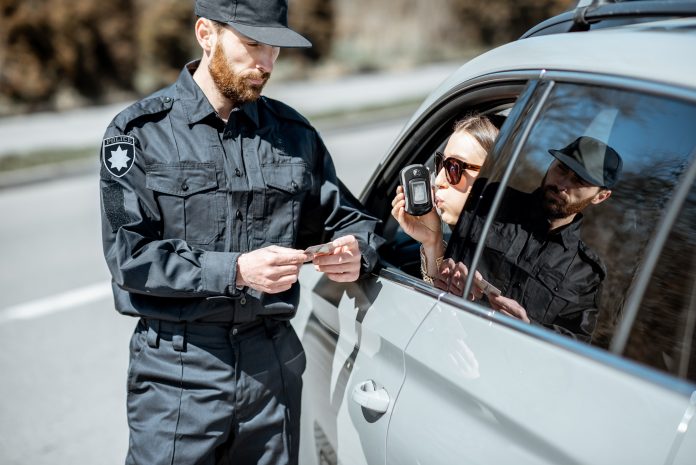
It is normal for a person to feel anxious or intimidated when being pulled over by law enforcement; this is especially true when it involves suspicion of driving under the influence (DUI). No one wants to participate in any activity that could potentially prove incriminating, including taking a breath test. We all have legal and constitutional rights, but should you submit to a breathalyzer test in California?

California’s Implied Consent Law

The Implied Consent law applies to any person with a driver’s license in the state. Upon getting licensed, a motorist has given consent to breath testing when pulled over on suspicion of DUI whether they realize it or not. However, it is important to note that consent is only given after someone is lawfully arrested, not prior to arrest. A breathalyzer test in California that is administered roadside is known as a preliminary alcohol screening (PAS) test. According to California Vehicle Code 23612 an individual who operates a motor vehicle is considered to have granted consent for chemical testing of their breath or blood for the intention of establishing blood alcohol content if that individual is lawfully arrested for the alleged commission of an offense that violates Section 23140, 23152, or 23153.

  • Vehicle Code section 23140 – It is illegal for an individual younger than 21 years of age to operate a vehicle when blood alcohol content is 0.05 percent or greater
  • Vehicle Code section 23152 – It is illegal for an individual (regardless of age) to operate a vehicle with a blood alcohol content of 0.08 percent or greater
  • Vehicle Code section 23153 – It is illegal for an individual to operate a vehicle and simultaneously commit any act that is forbidden by law, or abandon any duty enforced by law in operating a vehicle, which act or neglect relatively results in bodily injury to any individual who is not the driver

Law enforcement officers use breath tests and other roadside tests to determine whether a person is under the influence of alcohol; their opinions are not always substantiated by evidence.

Here are things NOT to do after being arrested for DUI.

When Motorists Should or Should Not Consent to Breathalyzer Tests

In most cases a motorist should not submit to a breathalyzer test in California when they have not been arrested. Refusing the PAS test can be beneficial, particularly in cases where the motorist has had a drink or two. Law enforcement officers request that motorists take the breath test in order to secure probable cause for an arrest.

The only scenario in which a person should submit to a breath test prior to arrest is when that person knows without a doubt they will not blow over the 0.08% legal limit or is on probation for a prior DUI offense. The PAS (preliminary alcohol screening test), which is done roadside by law enforcement, is voluntary and a person will not suffer worse consequences if you refuse the PAS prior to an arrest.

That said, it is not a good idea to refuse a breathalyzer test following an arrest. The Implied Consent law makes it unlawful for an individual to refuse a breath test following a lawful arrest. There are legal consequences a person may face when refusing a breath test after being placed under arrest. These include:

  • Penalties if convicted of the primary DUI offense
  • Driver’s license may be suspended or revoked
  • Additional six months of DUI school for first-time offenders

It is important to note that if a person is arrested and refuses to participate in a chemical or breath test done at the police station, they will be charged with a refusal and receive a mandatory one-year suspension of their driver’s license and possibly increased jail time. Those with questions regarding breath tests and other elements of a DUI arrest can feel free to contact SLM Law.

Potential Defenses to Breathalyzer Test Refusal

When an individual refuses a breath test following an arrest for driving under the influence, there are several defenses that may prove effective depending on the circumstances of the case. These include but are not limited to:

  • Lack of probable cause in pulling the motorist over
  • The vehicle was not being driven by the defendant at the time
  • No evidence to suggest a rational belief the defendant was operating under the influence
  • Proving the arrest was unlawful
  • Law enforcement officer failed to clearly explain the consequences of refusal to take a breath test
  • At the time of refusal, the defendant was suffering injuries that left them disabled

All defendants in any criminal case whether involving DUI or not are presumed innocent until proven guilty.

Consider Contacting SLM Law, APC Today

Anyone who has been pulled over on suspicion of DUI knows how stressful it can be. Should you submit to a breathalyzer test in California? If it is requested before a person is arrested, the answer is NO in most cases. Those with questions regarding DUI and breath tests may want to consider contacting a DUI lawyer at SLM Law, APC at (310) 443-4119.

Understanding Special Needs Trusts

Understanding Special Needs Trusts

Estate planning often involves much more than a Last Will and Testament (will). In many cases, families have specific challenges that they need to address in a comprehensive estate plan. If a family has child or adult that faces special needs, they may want to consider including a special needs trust within their estate plan. While this type of trust is not right for every family, it is important to understand how the benefits can ensure the financial protection of a loved one with special needs throughout their lifetime. Consider visiting with the experienced estate planning attorneys at Kushner Legal at 310-279-5166 today to learn more.

What Is a Special Needs Trust?

A special needs trust is an estate planning tool that allows people with disabilities or other special needs to receive funds without disqualifying them for certain governmental benefits, such as Supplemental Security Income (SSI). The establishment of a special needs trust ensures they will still qualify for the benefits they require during their lifetime while also receiving funds in a discretionary account for their benefit.

While a typical estate plan consists of revocable living trusts or wills, in most cases you cannot use these tools with a special needs trust because it may cause your loved one to be disqualified with respect to crucial government assistance like Medicaid coverage.

Benefits of a Special Needs Trust

It is important to understand that there are significant benefits to estate planning with a special needs trust. Most importantly, a person can use this estate planning tool to ensure your loved one with special needs is not left with any bills and always has care and support so they may live the most comfortable and fulfilling life possible.

Another fantastic benefit of estate planning with a special needs trust is it protects your loved one from creditors who wish to sue them in order to get payment for medical expenses or any other unpaid debts after you pass away. Without a special needs trust, your loved one could be taken advantage of creditors simply because their disability prevents them from properly defending against such lawsuits.

Special Needs Trusts and Medicaid

One of the most important, and probably the most complicated things estate planning can do for your special needs child is to protect them from losing their Medicaid benefits if they inherit any money. If you do not plan ahead, it is possible that your child could end up on Medicaid or many other government-based assistance programs. Additionally, having two children in the same household with disabilities can create financial challenges regarding estate planning.  The reason for this is that if one child owns real estate, but the other does not have their own estate plan, the one who doesn’t may be temporarily or permanently ineligible for government assistance.

Special needs trusts are designed to ensure that your special needs child is cared for without jeopardizing his or her eligibility for benefits. Once you establish a trust, all of your child’s assets will be placed in it so they cannot affect his/her qualification for Medicaid, Supplemental Security Income (SSI), state-sponsored health insurance plans and other government programs.

Payback Principle and Special Needs Trusts

The “payback” principle applies to any money left in the name of an individual with disabilities. The basic idea behind this principle is that once an individual has enough money to go without assistance from the federal government, the extra money should be counted as a resource when calculating benefit eligibility. In other words, the government wants its money back (for example, for SSI, if your child has $2,000 in excess financial resources he/she would forfeit $1,500 of benefits).

If you fail to plan properly and leave estate assets in your child’s name or leave them out of an estate plan altogether (such as giving all your money away while you are still alive), it could result in loss of some or all federal benefits. It is especially important to use estate planning tools for children who have special needs in order to ensure proper coordination of all benefits.

Contact an Experienced Special Needs Trust Attorney

If you are concerned about taking care of a loved one with special needs after your death, you should consider visiting with an experienced estate planning attorney about the possibility of including a special needs trust within your estate plan. Every person has different estate planning needs, and visiting with a compassionate and experienced attorney can help you understand all of your legal options to take care of your loved ones. Consider visiting with the experienced estate planning attorneys at Kushner Legal at 310-279-5166 today.

Tesla Autopilot “Full Self-Driving” Car Accidents

Self driving car on a road. Autonomous vehicle. Inside view.

Tesla has been at the forefront of automobile innovation. However, the company has also gotten in trouble for its autonomous-driving and driver-assist technology causing accidents and deaths over several years. Cars relying on autonomous systems – which are becoming more common on the road – could potentially be linked to more personal injuries and an increase in lawsuits.

If you have been injured due to an autonomous car or a Tesla being on Autopilot, then it’s time to seek out representation. The Law Offices of Robin D. Perry & Associates provide vigorous representation to clients in personal injury matters and are a goal-oriented and values-driven firm. We develop creative strategies to win every case, every time and are confident we can help you with your personal injury case. Reach out to us today to schedule a consultation.

Helpful Key Takeaways:

  • Tesla’s self driving software technology has been involved in, or has been accused of having directly caused accidents.
  • Tesla markets their cars with optional upgraded software as “full self driving” even though it might be considered deceptive advertising since the cars do not actually have this capability.
  • If you’re involved in a car accident involving a Tesla utilizing “Autopilot” or “Full Self-Driving” make sure to take photos of both vehicles and their orientation to traffic, gather driver information, get a police report, seek medical attention and discuss your matter with an attorney.

Tesla and Its Crashing Problem

Tesla Model S in front of Tesla showroomAccording to the Los Angeles Times, at least 11 times over the past seven years, Tesla cars crashed into emergency vehicles that were parked on highways and roads. The National Highway Traffic Safety Administration got involved to find out why Tesla cars built between 2014 and 2021, including models S, X, 3 and Y, failed to detect the emergency vehicles and ended up getting into accidents.

These crashes caused one death and 17 injuries, and three of them occurred in Southern California. One happened when a Tesla crashed into the back of a fire truck on the 405 in Culver City, while the others occurred in Laguna Beach when a Tesla crashed into a police cruiser, and in San Diego, when a Tesla hit an unoccupied California highway patrol car.

In order to understand what’s going on, in June of 2021, the NHTSA ordered vehicle manufacturers, including Tesla, to send data on crashes involving automated system vehicles to the agency.

Tesla’s Autopilot – the official brand name – has been marketed as a hands-free system, though the manual for the vehicle says that the driver must pay full attention when on the road. The system combines lane changing with automatic steering as well as cruise control. The NHTSA said in a statement that, “no commercially available motor vehicles today are capable of driving themselves … and all State laws hold human drivers responsible for operation of their vehicles.”

Many drivers have been caught misusing Autopilot. Some have driven drunk with the system on, while others rode in the back seat with Autopilot on while driving on a California highway. This behavior is extremely dangerous, as it can result in injury as well as death to the driver and others.

Tesla’s Autopilot car accidents are becoming more commonly reported as the company still owns roughly 65% of the electric car market. At the moment, Tesla is the whipping boy of the industry because of it’s dominance. However, as more manufacturers offering full autonomous driving become more common, consumers will likely see car accidents involving all full self-driving vehicles continue to rise in the coming years.


Recent News Involving Tesla Autopilot & Full Self-Driving

  • Update 1/20/22: The Hill reports that the first vehicular manslaughter charge has been filed in California against an Uber driver who was driving with the “Autopilot” mode activated on his Tesla Model S.
  • Update 5/19/22: LA Times reports that “Federal authorities are investigating whether a Tesla involved in a crash that left three people dead… in Newport Beach had its Autopilot system activated at the time of the wreck.”
  • Update 8/11/22: Consumer safety activist Ralph Nader states: “Tesla’s major deployment of so-called ‘Full Self-Driving’ technology is one of the most dangerous and irresponsible actions by a car company in decades,” and “Tesla never should have put this technology in its vehicles” as  reported by Road & Track.
  • Update 8/31/22: LA Times reports that California lawmakers recently passed a bill that might force Tesla to stop calling its software “Full Self Driving” since there are no cars capable of this yet, and this is confusing to consumers.
  • Update 1/11/23: The Intercept shares video of a Tesla Model S changing lanes and then abruptly braking, resulting in an eight-vehicle crash.
  • Update 2/15/23: Popular Science reports that Zoox, an autonomous car company owned by Amazon, will be shuttling Zoox employees on public roads in Foster City, CA at a top speed of 35mph.

Self-Driving Cars and the Dangers They Present

Self-driving cars are far from perfect, and they should be used with caution. Even though self-driving cars were developed with safety in mind, it turns out that so far, they have a higher rate of accidents than cars being driven by humans. There are 9.1 self-driving car accidents per million miles driven, compared to 4.1 crashes per million miles for human-driven vehicles.

Of course, self-driving cars can also cause deaths. In November of 2018, an Uber driver was watching an episode of “The Voice” while driving. She put her car into self-driving mode and wasn’t paying attention. It ended up striking and killing a pedestrian who was crossing the street. It only detected the pedestrian 5.6 seconds before hitting her. Before this death, Uber self-driving cars were involved in 37 crashes.

Autonomous vehicles can give drivers a false sense of security that they don’t have to pay attention while driving. They could have an increased reaction time when responding to decisions they need to make immediately to avoid a crash. Plus, self-driving cars may not be suited to drive themselves in dangerous weather conditions.

According to the NHTSA, there is self-driving cars in the U.S. that is technically fully “self-driving.” The agency states, “Every vehicle currently for sale in the United States requires the full attention of the driver at all times for safe operation.”

What to Do If You’re in an Autonomous Car Accident

If you get into a crash with a driver who was on Autopilot or using some other autonomous system, then there are critical steps you should take to ensure you have a good chance of getting the settlement you deserve.

First, take a picture of the other driver’s car, license plate, and insurance card. You’ll want to make sure that it was actually an autonomous car that they were driving or a Tesla on Autopilot. If the driver offers you cash on the spot as a settlement, do not take it. You might not be able to get a better settlement later on if you do this.

Then, take pictures of your visible injuries as well as damage to your car and your belongings, if there was any. Call the police to generate a record of the incident, and take witness statements if anyone else saw what happened. If there were any cameras around, write down where they are located. Traffic cameras and footage from surveillance cameras from nearby businesses could help you prove fault.

As soon as you’ve wrapped up at the scene of the accident, head to your local hospital for treatment right away. Make sure the doctor does a full-check up and you get X-rays taken to see if there are any internal issues going on. Stay on top of your care, going to follow-up appointments, getting medical tests done, and taking prescription medicine as needed. This is critical to your case.

If the other driver’s insurance company gets in touch with you, do not give them details about the accident. You should never say you were injured, either. They could take a recorded statement and use it against you to offer you a low settlement. Never accept their first offer, because your injuries could get worse over time. Then, you won’t have a suitable settlement to cover your medical bills and other damages like a loss of wages and pain and suffering.

Get off the phone with the insurance company and call a personal injury lawyer. They will collect your medical records and other evidence for you, and work hard to get you the settlement you deserve. Plus, they won’t charge you a dime unless they win your case.

Get in Touch With Robin D. Perry & Associates

If you need a personal injury attorney after an autonomous car accident or a Tesla Autopilot crash, then it’s time to get in touch with the Law Offices of Robin D. Perry & Associates today. No matter what, we will fight on your behalf during your time of need. Call us at 562-216-2944 or contact us for a free consultation.

Is Aging in Place the Future of Elder Care?

According to a 2018 survey conducted by the American Association of Retired People (AARP), more than three quarters of over-50s would prefer to stay in their homes and communities as they age, rather than being admitted to a nursing home or assisted living facility.

The survey, which gathered data from 2,287 adults across the U.S., found that 76% of Americans age 50+ wish to remain in their current residence, while 77% would like to live in their community for as long as possible. Nearly one-third of the cohort is open to considering alternatives like home sharing or building accessory dwelling units connected to the family home.

With a rapidly aging population and rampant inequality in healthcare access, many advocates believe the time has come for Americans to develop a more compassionate, inclusive approach to elder care. In California, where the over-65 population is projected to double in the next ten years, policymakers have committed to ‘building an age-friendly state’ that will allow all citizens to age ‘with dignity and independence.’ Aging in place, with access to treatment services and community support, could hold the key to facilitating a revolution in the way we care for people during their final years of life.

We’re still some way off achieving this lofty aim. Elder care remains dominated by a profit-first residential care model beset by internal problems and under fire from critics who claim it’s not fit for purpose and is showing unmistakable signs of failure.

In California, which has the biggest nursing home population (100,000) of any state, alarm is growing about the chaotic nature of this business model, which allows operators to build huge property portfolios (often paid for by private equity interests) while running each facility on perilously thin margins. Low paid, poorly motivated staff bear the brunt of day-to-day operations, while the residents they’re entrusted to care for are put at risk of infection, neglect, and abuse. The dire situation at two Pasadena nursing homes prompted an extraordinary decision by state public health officials to take control of the facilities.

It’s not hard to see why many people skeptical about spending massive amounts of money on accommodation and caregiving solutions that put them at an increased risk of eviction, infection and abuse are beginning to ask themselves: will I really be better off in a long term residential care facility than I would be at home?

Elder care advocates say no, you will not. Not when nursing home operators can legally continue running facilities after they’ve been denied a license. Not when 82% of nursing homes have been cited for infection prevention and control deficiencies, or when proposed reforms to minimum staffing requirements are beholden to market incentives rather than patient welfare. Not when a third of the country’s COVID-19 fatalities have occurred in facilities that were totally unprepared for an outbreak of this scale — facilities incapable of preventing and managing the localized infections that procured their violation citations in the first place. And not when the other epidemic assailing our most vulnerable citizens – that of elder abuse – continues to plague the nursing home industry.

Dangerous conditions in U.S. nursing homes existed long before the pandemic — especially in the for-profit sector. But the deaths of tens of thousands of elderly residents have drawn widespread public attention to systemic problems like staff shortages and high turnover, and the abuse and manipulation of Medicare ratings by operators looking to inflate their market value and attract lucrative admissions.

Some advocates are optimistic that the public perception of residential care settings is beginning to line up with the reality.

Tony Chicotel of the California Advocates for Nursing Home Reform, quoted in a New York Times piece in May, contends that families who ‘ended up agreeing to a nursing home without giving it a lot of deliberation’ revised their opinions on caring for older relatives at home after trying it during the pandemic. Many now see aging in place as a viable alternative to long term residential care. As Chicotel puts it:

“What’s happened is a welcome sort of market correction for nursing homes.”

This re-evaluation of home care is undergirded by technological advancements which make it easier to monitor the physical and mental well-being of vulnerable people at home. Remote devices and web tools can help families with medication reminders, schedule management, communication with caregivers, and responding to emergencies.

The benefits of home care are largely intuitive. Remaining in a familiar, comfortable setting with loved ones close by can ease the stress and anxiety associated with cognitive impairment and dementia. Maintaining a semblance of independence while building a one-on-one relationship with an in-home caregiver is an obvious boon — not just for elderly patients, but for family members who only have to vet and monitor one care worker.

Less obvious, perhaps, are the relative financial burdens of nursing home care vs. home care. In both scenarios, the cost will be determined by a number of factors such as the specific healthcare needs of an individual, location, insurance, etc. But generally speaking, the cost of in-home care is lower, and especially so for the many seniors who don’t require the round-the-clock care that nursing facilities purport to offer.

According to a Cost of Care survey run by insurers Genworth, the median monthly cost of a semi-private room in a nursing home is $9,247, rising to $11,437 for a private room. For in-home care, the median is $5,529. There is a similar trend nationally, with the monthly median for a private room ($8,821) almost double the cost of a home health aide ($4,576). Annually, that’s a difference of $50,000.

Fortunately, policymakers are increasingly turning their attentions to managing our aging population with home-based solutions. The Program of All-Inclusive Care for the Elderly (PACE) is a Medicare/Medicaid initiative expressly designed to provide ‘preventive, primary, acute and long-term care services’ to over-55s who would otherwise reside in nursing facilities.’ It covers everything from in-home care and checkups, to hospital stays and training and support for familial caregivers. The ultimate goal of the PACE model is to support eligible individuals to remain independent and in their homes for as long as possible – which is what an overwhelming majority of Americans want for themselves and their loved ones.

Home care won’t completely replace residential settings. Nor should it. But many people are waking up to the advantages in-home caregiving has over the profit-first nursing home industry. And with 10,000 baby boomers a day turning 65 between now and 2030, aging in place programs like PACE will have a major role to play in staving off a looming crisis.

Lasting Effects of Brain Injuries

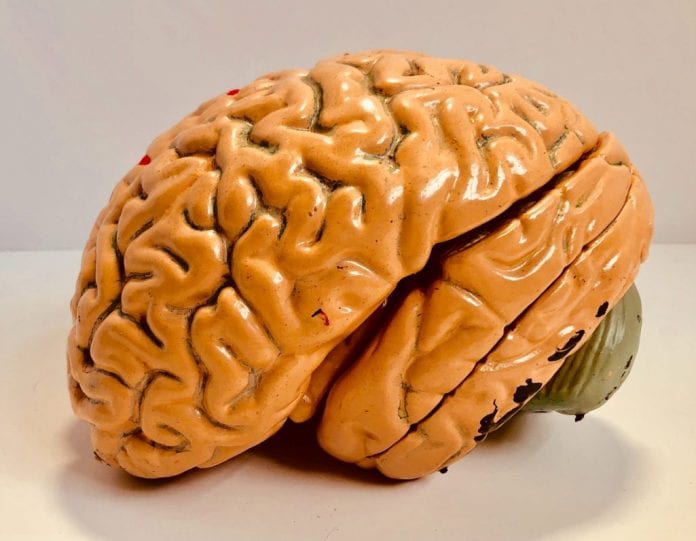
Of all the injuries one can experience, brain injuries have some of the longest-lasting, most life-altering consequences. At first glance, you might not be able to tell that a person has suffered a brain injury in the past. They might appear to be quite healthy, and they may have the ability to continue working and taking care of themselves just like any other member of society. But when you dig a little deeper, you find out that many of these brain injury victims are dealing with serious, permanent consequences that affect their overall quality of life.

Even a relatively light knock to the head can result in serious changes to a person’s overall health. Researchers are now beginning to understand that even a single concussion can cause mental and physical health issues years or even decades into the future. These issues can vary considerably. Because the brain is the processing center of the entire body, a patient’s physical well-being can be impacted by brain injuries. In serious cases, people can lose the ability to walk or use their arms normally.

On the other hand, head injuries can also cause extremely worrying and confusing changes to a person’s mental well-being. Although the science of head injuries is still a relatively new field of study, we now understand that a knock to the head can significantly change a person’s personality. Along with cognitive impairment, head injuries can change the way a person thinks and feels, causing mental health disorders like anxiety and depression. These injuries can even change a person’s sexuality. It goes without saying that these consequences can have a notable effect on a person’s existing relationships and their ability to form new ones in the future.

With such notable physical and mental consequences, it is imperative that injury victims seek help from a qualified, experienced brain injury lawyer as soon as possible. With the right legal assistance, these individuals can get the compensation they need to deal with the many challenges they may face in the future.

The Importance of Getting Medical Treatment

After suffering brain injuries, many victims fail to get the medical attention they need. This is especially true if individuals have suffered relatively minor head injuries due to a car accident or a fall. Many people tend to dismiss the serious nature of a head injury, perhaps because they do not experience any notable issues in the days after their accident. But if there is one thing that is important to remember about head injuries, it is the fact that they can become progressively worse over time – even after a relatively minor impact or concussion.

This is why it is crucial for injury victims to get properly assessed by a medical professional. Trained doctors can accurately determine the extent of the brain injury, and they can make predictions about how this injury might impact a patient in the future. Not only that, but this treatment also creates a valuable record of the head injury actually taking place. Without these medical records, it may be difficult for a plaintiff to prove that they suffered a legitimate head injury in the accident.

How a Brain Injury Affects a Person’s Life

The long-term effects of a brain injury can be split into several categories:

  • Motor Deficits: These are the physical impacts of brain injuries, and they often take the form of major disabilities. Brain injuries can result in paralysis, spasticity, uncontrolled movements, and much more. Brain injury victims may discover that certain tasks are much more difficult than they used to be. These might be as simple as buttoning a shirt or pouring a glass of water. Victims may also have trouble with walking, talking, and vision.
  • Personality Changes: A brain injury can also impact a person’s personality, and these are perhaps some of the most confusing and worrying problems for many patients. These changes include impulsiveness, fluctuating emotions, irritability, aggression, depression, lack of inhibition, denial, and many other problems. These issues can be incredibly traumatic, as patients feel like they are losing their sense of identity and they no longer know who they are.
  • Cognitive Issues: Perhaps some of the most important consequences for brain injury lawsuits involve cognitive issues. This is because when a person loses their ability to think clearly and process information, it can impact their ability to work and support themselves financially. A brain injury can cause confusion, memory problems, reduced attention spans, and issues with executive functions (planning, abstract thinking, etc.).

These are only a few of the many long-lasting consequences a brain injury may have to endure during their lifetime.

Damages Related to Brain Injury Accidents

Injury victims can file for a number of damages in their personal injury lawsuit, and these damages reflect some of the most serious long-term effects of brain injuries:

  • Medical expenses
  • Loss of wages
  • Loss of future income
  • Pain and suffering
  • Emotional distress
  • Mental trauma
  • Diminished quality of life
  • Loss of consortium

Loss of consortium may be especially important for spouses who are forced to end their marriage because of their brain injury. The personality changes caused by some brain injuries make this much more common than many people realize.

Challenges for Brain Injury Personal Injury Lawsuits

As previously mentioned, one of the biggest challenges associated with brain injury lawsuits is the fact that victims often neglect to get the medical treatment they need after an accident. This can result in a number of consequences. Firstly, it is important to treat head injuries early from a purely medical perspective.

Secondly, we also need to consider the statute of limitations. If a victim waits until the brain injury has progressed into a life-altering medical condition, it might be too late to file a lawsuit. Finally, the lack of medical treatment means that it is difficult to prove that the injury ever took place. Medical records are some of the most valuable pieces of evidence in personal injury lawsuits.

At the end of the day, a victim’s chances of success depend heavily on their ability to find a qualified, experienced personal injury attorney as soon as possible. Once they are in the hands of a legal professional, they can be guided and assisted in an effective manner.